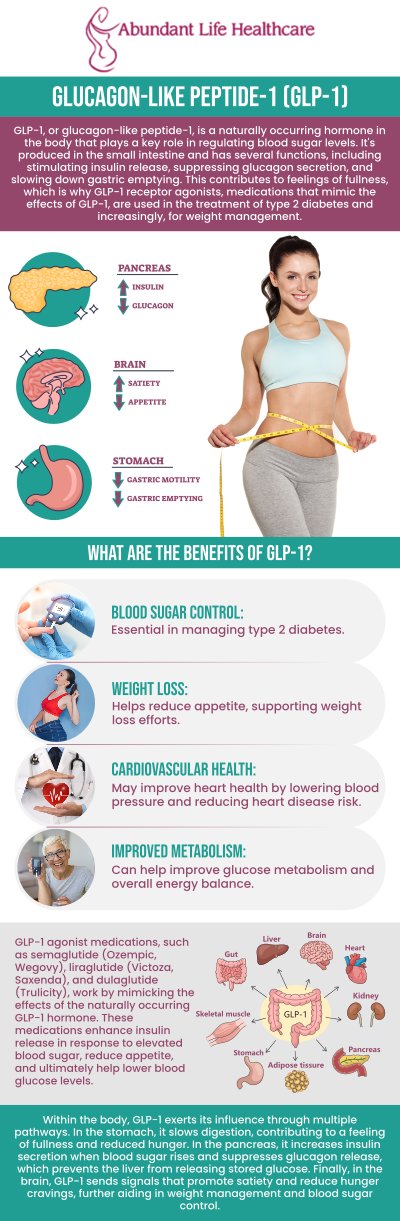
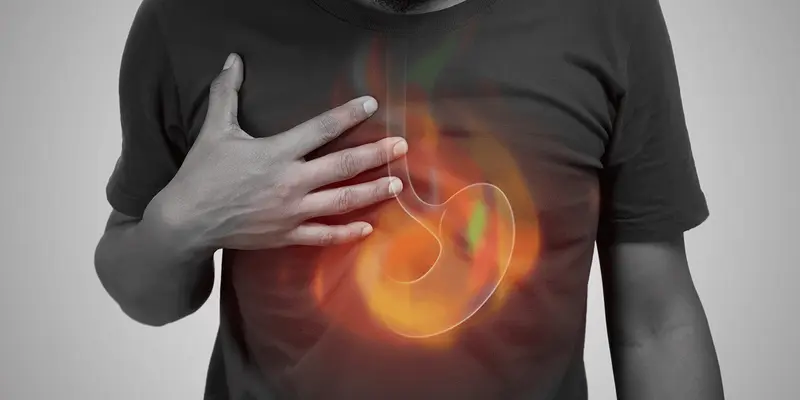
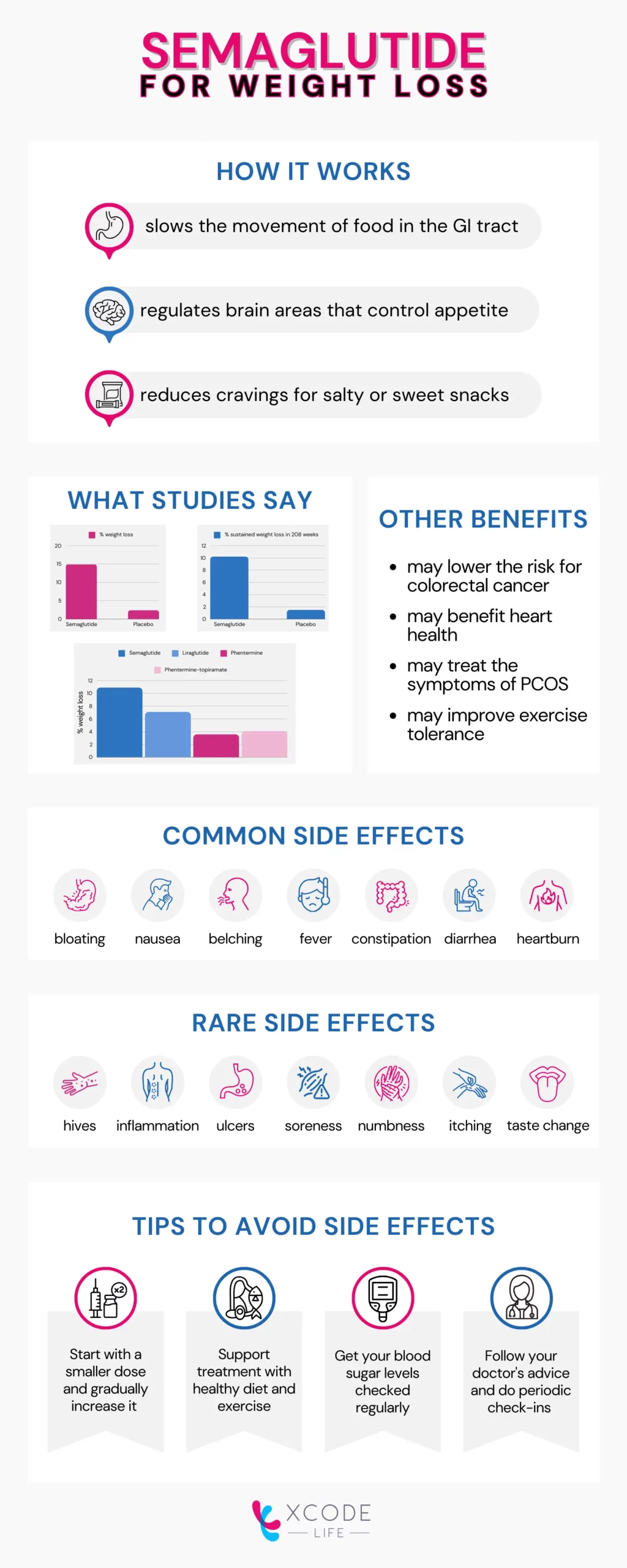
This article will review the occurrence of GI AEs across different GLP-1 RAs and will outline current methods for their management
Common causes encompass metabolic disorders like fatty acid oxidation defects and organic acidemias, renal issues such as carnitine loss due to chronic renal failure, Fanconi syndrome, dialysis, or certain medications (e.g., vancomycin), dietary factors including vegetarianism, starvation, or specific diets like the ketogenic diet, and liver diseases such as cirrhosis and fatty liver
The slowing of melanin production is simply a part of aging

Good options that are typically well-tolerated with IBS include: Chicken and turkey (plain, not heavily spiced) Fish, particularly oily fish like salmon Eggs (often well-tolerated even with IBS) Tofu and tempeh (some people with IBS tolerate these better than beans) Greek yoghurt (if you tolerate dairy) Low-FODMAP vegetables If you follow a low-FODMAP approach for IBS, focus on vegetables that are less likely to trigger symptoms: Carrots, courgettes, and aubergines Spinach and other leafy greens Bell peppers and tomatoes Green beans and cucumber Complex carbohydrates Choose carbohydrates that provide sustained energy without triggering IBS symptoms: White or basmati rice (often better tolerated than wholegrain for IBS) Oats (if tolerated) Potatoes and sweet potatoes Sourdough bread (the fermentation process reduces FODMAPs) Foods to limit or avoid Some foods may worsen both IBS symptoms and Mounjaro side effects: Spicy foods (may worsen nausea and digestive discomfort) Alcohol (irritates the gut and can worsen dehydration) Caffeine in excess (stimulates gut motility unpredictably) Artificial sweeteners (particularly sorbitol and mannitol) When to speak to your GP While some digestive changes are expected when starting Mounjaro, certain symptoms warrant medical attention
[48, 49] who reported a decline in liver GSH to a level between one half and two thirds of normal after a 48 hour fast